
How Can Artificial Intelligence Revolutionize the Manufacturing Industry?
By Idego Group
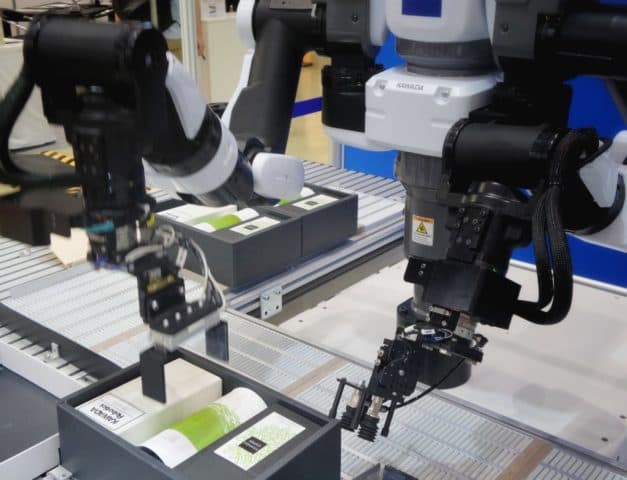
Artificial intelligence is increasingly adopted across various industries including e-commerce, banking, and healthcare. Manufacturing companies are discovering significant value in AI applications to enhance operational efficiency across multiple departments.
According to PWC's Digital Factories 2020 report, 91% of industrial companies invest in creating digital factories in Europe. More than half of surveyed organizations employ predictive analytics and machine learning for operational decisions.
Manufacturing faces challenges including machinery failure and high production costs. AI implementation focuses primarily on maintenance (29% of use cases) and quality monitoring (27% of use cases).
AI-powered visual monitoring and video analytics generate real-time alerts when objects enter dangerous zones, improving safety. Digital twins create virtual product models before physical manufacturing begins, enabling efficient personalization. AI analyzes security logs and data in real-time, detecting intrusions, malware, fraud, and suspicious behaviors. Predictive maintenance analyzes sensor data to identify potential failures before they occur, preventing expensive downtime.
Deep neural networks now recognize surface defects like leaks, cracks, and scratches automatically through image classification and object detection techniques. Machine-learning algorithms analyze sensor data to predict failures using regression models, classification models, and anomaly detection models.
Internet of Things devices provide valuable data streams. Machine learning processes historical data to forecast resource consumption and energy usage patterns. Digital twin models process data identifying behavior patterns and anomalies. Supply chain systems monitor inventory, market trends, consumer preferences, and weather forecasts, with AI enabling automated optimization.
Robotic process automation handles repetitive factory jobs, reducing human error and freeing employees for work requiring human judgment. Artificial intelligence and machine learning depend fundamentally on data quality. Modern organizations implementing AI-based manufacturing solutions experience significant cost reductions through business optimization.