
Does Robotic Process Automation Actually Work? - RPA Architecture
Von Idego Group
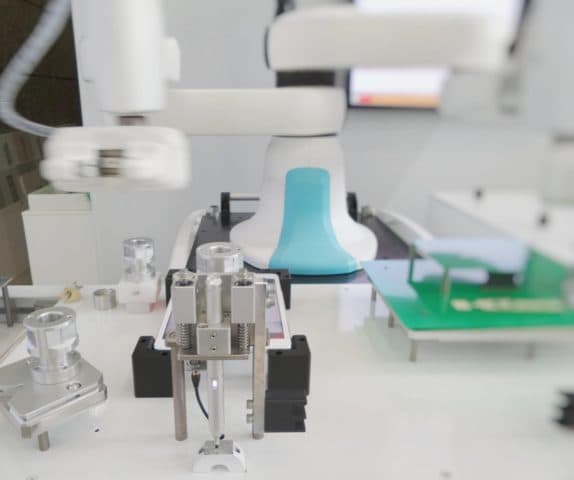
Robotic Process Automation represents an application of technology that is governed by logic and business inputs, aimed at automating and implementing processes. Organizations can leverage RPA tools to configure software that captures and intercepts applications for transaction processing, manipulates data, and triggers communications with digital systems.
The technology offers notable advantages. RPA handles high-volume transactions faster than human workers, excels when integrating multiple applications, operates during non-working hours, and maintains accuracy in compliance-critical environments. A major U.S. bank increased loan processing accuracy by over 80% while handling loans 50% faster using RPA, while maintaining audit trails for regulatory compliance.
RPA architecture comprises three essential components. First, programming language and framework capabilities enable developers to create custom modules for complex processes. Second, computer vision capabilities prove critical for RPA functionality in virtual desktop environments, as they allow interaction with applications when traditional OS attribute access is unavailable. Third, desktop integrations enable direct software-to-software communication, reducing errors compared to screen-scraping approaches.
Implementation relies on layered design models that separate logic and functionality across different project components. This approach allocates clear roles between automated and human-handled processes.
Assisted automation represents RPA tools automating desktop applications triggered by users, particularly useful for complex processes. However, desktop setting inconsistencies can cause failures. A control center serves as the central interface for issuing process commands, enabling administrators to manage resource allocation, project designation, and system performance monitoring across the enterprise.