
How Big Data Is Changing Healthcare
Von Idego Group
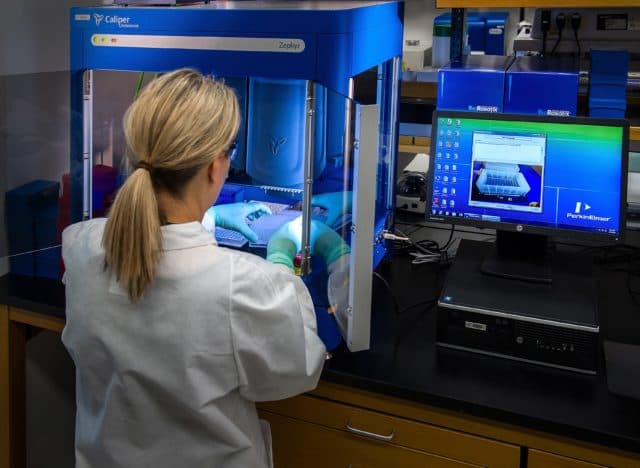
Big Data describes massive datasets characterized by variability, rapid growth, and high diversity. Processing and analyzing such information requires modern technologies and relevant competencies. Traditional spreadsheets have limited processing capabilities, often requiring data sampling that can lead to inaccurate conclusions and poor business decisions.
Companies collect vast amounts of data through technology tracking various behaviors - movement patterns, online activity, entertainment preferences, purchases, and more. This data is then cleaned, enriched, and subjected to multidimensional analysis.
Healthcare as a huge data repository
The healthcare sector processes massive volumes of data from various systems and tools, including patient medical records, test results, biomedical data, and measurements from health monitoring devices. Systematic collection, management, and analysis of such information can improve environmental understanding, enhance intervention effectiveness, identify symptoms more quickly and accurately, and boost overall health sector performance.
Proper data utilization in healthcare represents a potential turning point for the industry, offering opportunities to increase service quality and significantly reduce system costs. While technology won't replace healthcare professionals soon, it will substantially change how they work by collecting and organizing critical patient information, medical histories, lab results, and imaging data.
How can technology revolutionize healthcare?
Large corporations quickly recognized data's potential and invested substantially in infrastructure, but healthcare still lags behind significantly. Large hospitals and clinics remain dependent on paper records, storing valuable but difficult-to-access data in archives. Digitalization and paperless systems offer opportunities to reduce healthcare professional burden while enabling fuller data potential exploitation.
Technology enables new management, health monitoring, and diagnostic capabilities. Remote patient health tracking, real-time alerts, and telemedicine development reduce professional burden and allow focus on urgent cases. Real-time data collection and analysis improves diagnostic accuracy. Predictive analytics capabilities accelerate identification of concerning health changes. Data supports continuous treatment improvements and new therapy development. Machine learning significantly enhances medical imaging efficiency and disease diagnosis.
Big Data and technology effectively transform healthcare systems and improve service quality. Benefits extend beyond diagnostics to system operations, including enhanced patient data security, improved strategic planning, supply chain optimization, and better clinic operations.
Big Data analytics for healthcare - the biggest challenges
Healthcare faces substantial obstacles implementing Big Data solutions. Volume: Healthcare generates enormous data quantities from diverse sources in various formats. Quality: Reliable diagnosis requires high-quality data. Processing time: In medicine, speed typically outweighs cost considerations. Effective treatment requires early-stage disease diagnosis. Costs: Chronically underfunded healthcare systems face organizational challenges. Building necessary infrastructure and hiring data experts involves substantial costs many hospitals cannot currently afford.