
How Does Robotic Process Automation Change the Healthcare Industry?
Av Idego Group
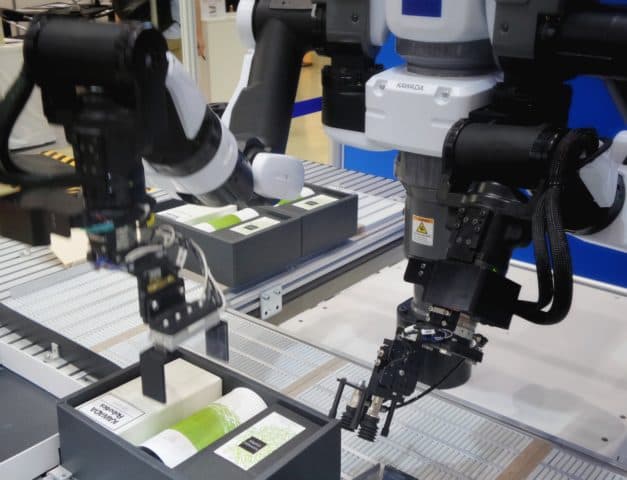
Healthcare companies deal with significant amounts of repetitive and manual tasks that require automation. These processes impact service quality when performed inefficiently, making improvement crucial when lives are at stake.
Robotic process automation (RPA) uses machine learning to enable machines to learn from data and perform activities automatically without human assistance. The primary benefit is freeing experts from repetitive work while optimizing tasks through faster, more accurate machine performance.
RPA can be applied to bill payments, recruitment procedures, meeting scheduling, accounting, customer service, and contract management across organizations. According to a Deloitte survey, 53% of business respondents had started using RPA, with expectations that adoption would reach 72% by 2020.
RPA significantly improves customer service by enhancing data flow and enabling faster patient request handling. Software robots can automate appointment scheduling and send reminders through efficient online platforms, allowing patients easier access to medical histories.
Organizations using legacy systems incur higher costs from manual work compared to implementing RPA solutions. The technology reduces human errors and helps companies maintain regulatory compliance — critical in healthcare where violations can be devastating.
Hospital management becomes more efficient through RPA automation of administrative processes, allowing employees to focus on critical issues rather than paperwork. Surgical scheduling, blood and organ transportation planning, and recruitment processes can all be streamlined.
Digital transformation has moved many healthcare organizations from paper-based to electronic data storage. RPA automates the extraction and migration of data from legacy systems into digital platforms with minimal error risk, improving diagnostic accuracy through high-quality information for predictive analytics.